

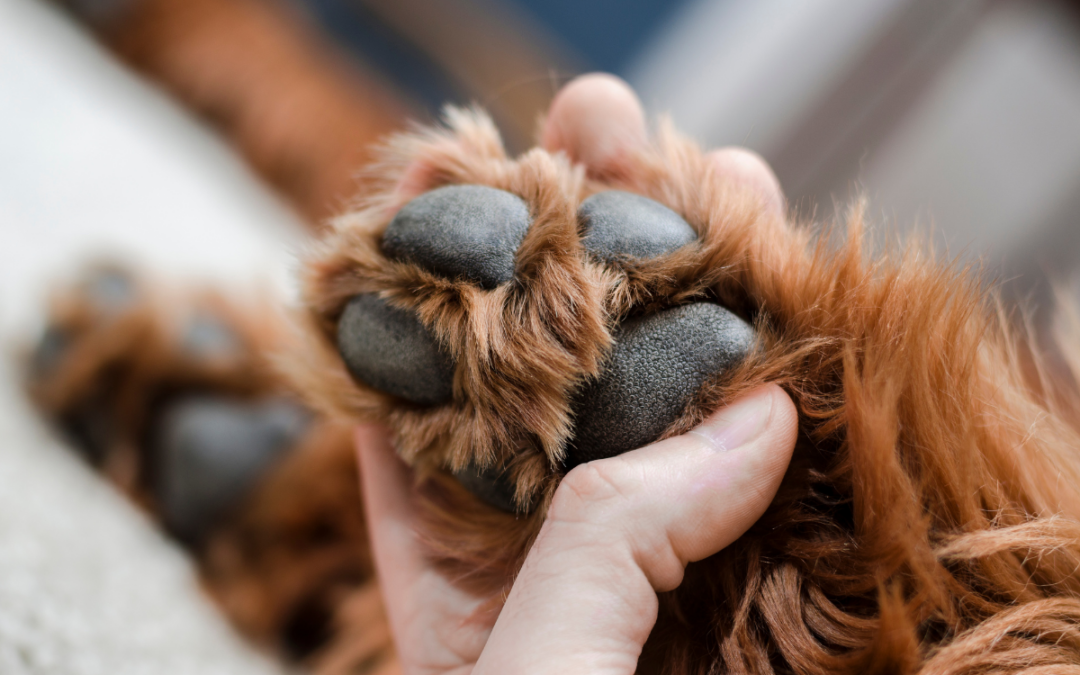
Healthy paw pads are essential for every dog because they provide traction and protect sensitive tissue. These pads are tough but remain vulnerable to cracks and burns from the environment. Neglecting them can lead to discomfort or mobility issues, but protecting them ensures your dog stays active and happy throughout the year.
Understanding Paw Pad Health
#image_title
Paw pads act like natural shock absorbers, cushioning every step your dog takes. They also provide grip and protect the feet from harsh terrain. While resilient, paw pads do not heal quickly once damaged. Cracks or burns can make walking painful, cause limping, and even lead to secondary infections. Healthy paw pads are soft yet durable, able to handle most surfaces without injury.
Common Causes of Paw Pad Damage
Pavement heat and ice can quickly burn or crack a dog’s paw pads. Rough surfaces like gravel also cause scrapes and painful calluses. Allergies or infections often dry out the skin and make it more prone to damage. Even frequent walking can wear down the pads over time. Recognizing these causes helps you prevent unnecessary injuries.
Signs of Paw Pad Problems
It is important to notice early signs of paw pad issues. Cracks or redness often signal irritation and injury. Limping and excessive licking show that your dog feels discomfort. Swelling or an unusual odor may even indicate an infection. Observing these signs allows you to help your pet before minor problems become serious.
Avoiding Extreme Surfaces
One of the simplest ways to protect paw pads is to avoid harmful surfaces. In summer, asphalt and concrete can reach temperatures high enough to cause burns. Walking early in the morning or late in the evening reduces exposure to heat. Snow, ice, and salt can also cause cracking during the winter. Choosing cleared paths and avoiding salted sidewalks minimizes the risk of injury.
Cleaning Paws Regularly
#image_title
Rinsing paws after a walk removes dirt and chemicals that irritate the skin. A dog-safe cleanser helps get rid of harmful residue without drying out the pads. Drying them thoroughly also stops moisture from causing fungal growth between the toes. This routine keeps the skin healthy and reduces the risk of cracks or infections.
Moisturizing for Prevention
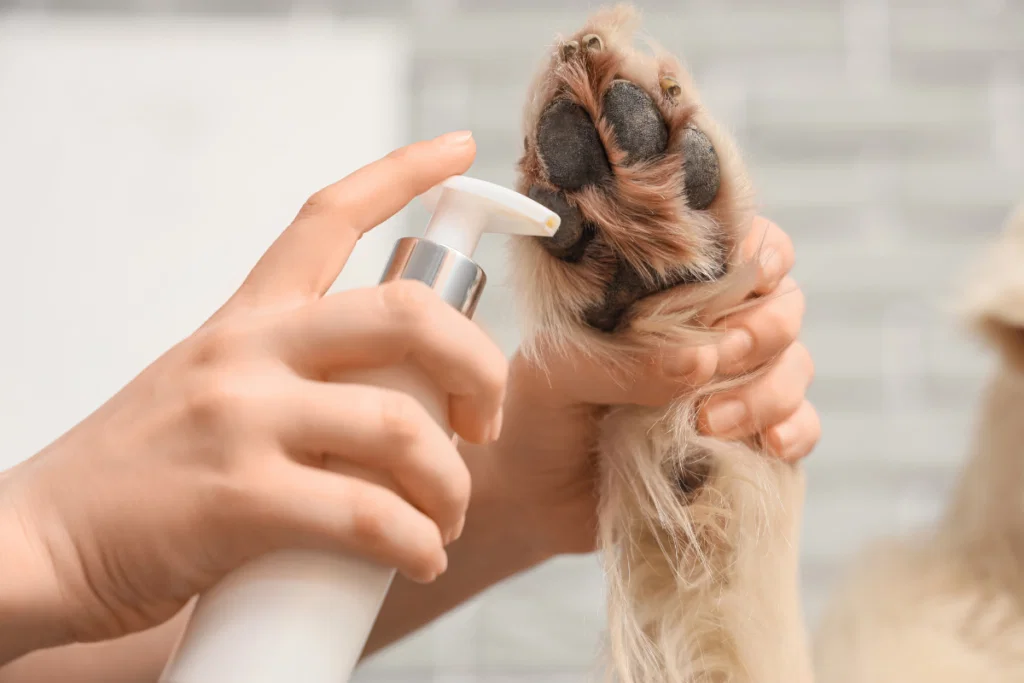
Paw pads can dry out quickly in extreme weather. Applying a veterinary-approved balm keeps them soft and prevents cracks or rough patches. Avoid using human lotions, as some ingredients can be toxic to dogs. Using a balm consistently strengthens the pads and keeps your dog comfortable during daily activity.
Protective Gear for Extreme Conditions
Your dog’s paws are shielded from hard surfaces with dog boots or shoes. They help during hot days and cold weather. A good fit reduces the risk of burns and frostbite. Some dogs also do well with socks. These add light padding and improve grip, especially on smooth floors. Protective gear is helpful for active dogs. It also supports older dogs or those with sensitive paws. Start slowly when introducing boots so your dog can adjust comfortably.
Nail and Fur Maintenance
Keeping your dog’s nails trimmed is important because it prevents a shifted walking posture that can put unnecessary pressure on their paw pads. Long nails often cause uneven weight distribution, which makes cracks and other injuries much more likely. Trimming the fur around the paw pads also helps by reducing the buildup of ice balls, mud, and debris that can irritate the skin. Maintaining a regular grooming routine for both nail length and paw hair is a simple way to keep their feet healthy.
Diet and Nutrition
#image_title
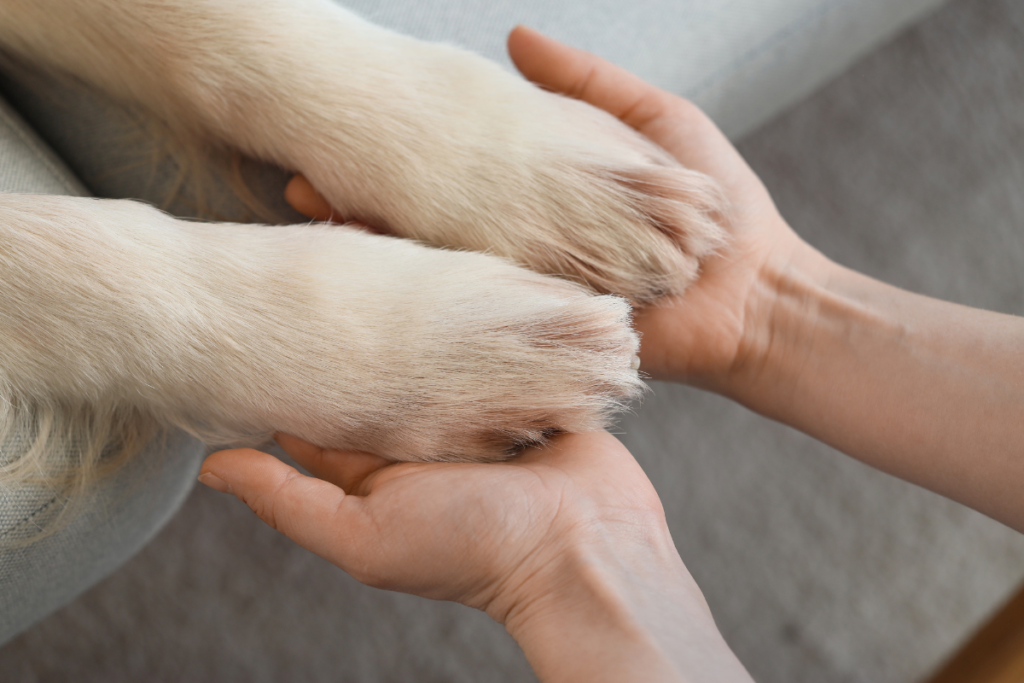
A balanced diet is essential for maintaining healthy skin and resilient paw pads. Nutrients like omega fatty acids help keep the pads soft, while proper hydration prevents them from becoming dry and prone to cracking. Consulting a veterinarian can ensure your dog gets the specific nutrients they need for strong paw pads. Ultimately, what your dog eats plays a critical role in the overall health and integrity of their paw tissues.
Managing Overuse
High-activity dogs are more prone to paw pad wear. Gradually increasing walking or running distance allows pads to toughen without injury. Avoid excessively long sessions on hot or rough surfaces. Recognizing limits and adjusting activity levels preserves paw pad health while maintaining fitness and mobility.
Home Remedies for Minor Cracks
Treat minor cracks at home using safe, natural moisturizers like coconut oil, olive oil, or shea butter, which provide both hydration and antibacterial benefits. Applying these treatments in a thin layer allows the pads to absorb the moisture without making them too greasy. For minor cuts, a warm saltwater soak can help. Make sure to always rinse and dry the paws thoroughly afterward. This type of home care is a great way to prevent small issues from turning into more serious injuries.
When Veterinary Care is Needed
If you notice severe cracks, bleeding, or persistent limping, it is important to seek professional care because these are clear signs of an injury. Swelling and other signs of infection also require immediate attention to prevent the problem from getting worse. Burns or frostbite can indicate serious damage that needs a vet’s expertise to treat properly. Additionally, if your dog is constantly licking their paws, it often means they are in pain and need relief. Getting early veterinary care helps prevent infections and supports much faster healing. Addressing these injuries promptly ensures your dog stays comfortable and protects their long-term mobility.
Seasonal Paw Care
#image_title
Each season brings its own set of challenges for your dog’s paws, so it is important to adjust your care routine accordingly. During the summer, the main focus is on avoiding hot pavement and applying protective balms to prevent burns. In the winter, the priority shifts to rinsing off ice-melt chemicals and salt, while using boots to protect against snow. Spring and fall are more about cleaning out mud or debris and managing seasonal allergens that can cause irritation. Making these small adjustments throughout the year is a simple way to maintain healthy paw pads regardless of the weather.
Paw Conditioning and Fitness
Paw pads benefit from light conditioning and exercise. Walking on soft grass promotes gentle impact absorption. Massaging and stretching the toes increases flexibility, reducing the risk of cracks. Engaging paws in gripping toys strengthens muscles and pads, enhancing durability. Conditioning routines complement preventive care and improve overall paw resilience.
Integrating Paw Care Into Grooming
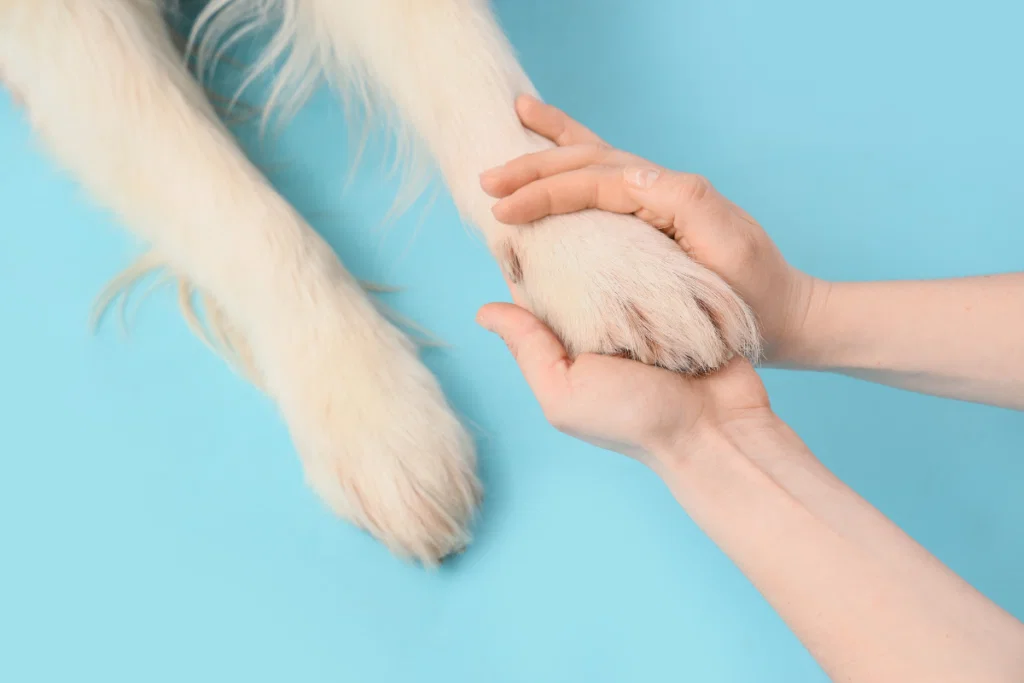
Professional grooming includes routine paw checks where the groomer examines the pads for cracks, burns, or hidden debris. They will also clean the pads thoroughly and trim any overgrown fur. If needed, they can apply protective balms to keep the skin hydrated. These regular sessions ensure that minor issues are caught early before they become painful. Scheduling these appointments consistently is a great way to maintain the health and comfort of your dog’s paws over the long term.
Keep Your Dog Moving Comfortably
Healthy paws support a happy life. With simple care and regular grooming, paw pads stay strong and ready for any adventure.
At Shaggy’s Dog Wash & Grooming, paw care is part of every session. We check, clean, and protect your dog’s paws so they stay comfortable in any season. Happy paws mean a happy dog. Contact us today at shaggysdogwash1@gmail.com.